

Mental fog often builds from small stresses, poor recovery, and constant stimulation. A short relaxation routine paired with gentle hypnotic-style cues can help your nervous system shift into a calmer state, making it easier to think clearly and reset. The checklist approach keeps it practical: you’ll know what to do, when to do it, and how to stay consistent—whether you prefer a printable page or a quick on-screen routine.
Clarity usually arrives after the body downshifts. You may notice breathing becoming slower, your jaw and shoulders loosening, and your attention feeling steadier instead of scattered. Mental chatter often quiets—not because you forced it to stop, but because your system isn’t bracing against the day.
When the body relaxes, cognitive overload tends to ease. Priorities can feel easier to sort, and decisions may feel less urgent and less emotionally “loud.” This is one reason many evidence-based relaxation methods focus on breath, muscle release, and reducing stress reactivity (see resources from NCCIH and Harvard Health Publishing).
A checklist helps because it removes guesswork. Instead of trying to “do self-care correctly,” you follow small, repeatable actions that are easy to start—even on busy days.
Hypnosis-style guidance typically combines focused attention with calming suggestions. It’s often paired with breath and body awareness to encourage a relaxed, receptive mindset. The goal isn’t to “zone out,” but to create a smoother path from tension to calm.
A structured sequence (preparation → settling → deepening → closing) also reduces distractions. Familiar steps signal safety to the brain, which can help the body release stress patterns. And when it comes to stress recovery, consistency matters more than duration. Short sessions repeated frequently can build a reliable “reset” response—especially when daily stress affects the body (as described by the American Psychological Association).
This flow is designed to be simple and repeatable. If you’re using a digital PDF, keep it open and scroll only between phases.
Use one phrase to signal a shift: “pause and soften.” Say it silently or out loud. The phrase becomes a mental doorway—short, familiar, and calming.
Inhale slowly, then exhale a little longer than you inhaled. You’re not chasing a perfect count; you’re gently encouraging the body to downshift.
Move attention from forehead to jaw, neck, shoulders, chest, belly, hips, and legs. Ask each area to release what can release. If nothing changes, that’s still progress—your job is noticing, not forcing.
Pick one anchor: the breath, a word (like “steady”), or a simple counting pattern. Each time you drift, return without judgment.
If you want a ready-to-use version in a printable/digital format, The Relaxation Hypnosis Checklist for Clarity | Digital Relaxation Hypnosis Guide & Self-Care Checklist PDF is built for quick resets and easy tracking.
| Situation | Time | Best checklist focus | What to avoid |
|---|---|---|---|
| Racing thoughts before work | 3–5 min | Breath + simple intention | Planning the whole day in your head |
| Afternoon mental fatigue | 2–4 min | Jaw/shoulder release + longer exhales | Scrolling or multitasking during the reset |
| Evening overstimulation | 5–8 min | Slow body scan + gentle closing | Rehashing conversations or checking email |
| Decision overload | 4–6 min | Anchor + one calming suggestion | Forcing an immediate perfect decision |
For moments when motivation is the real barrier (especially for students), pairing a calm reset with a small action list can help. The Study Spark Checklist: 15 Quick Wins to Fire Up Your Motivation | Study Motivation Checklist | How Do I Get Motivated to Study PDF Guide is a separate, task-focused companion for getting moving after you’ve settled your mind.
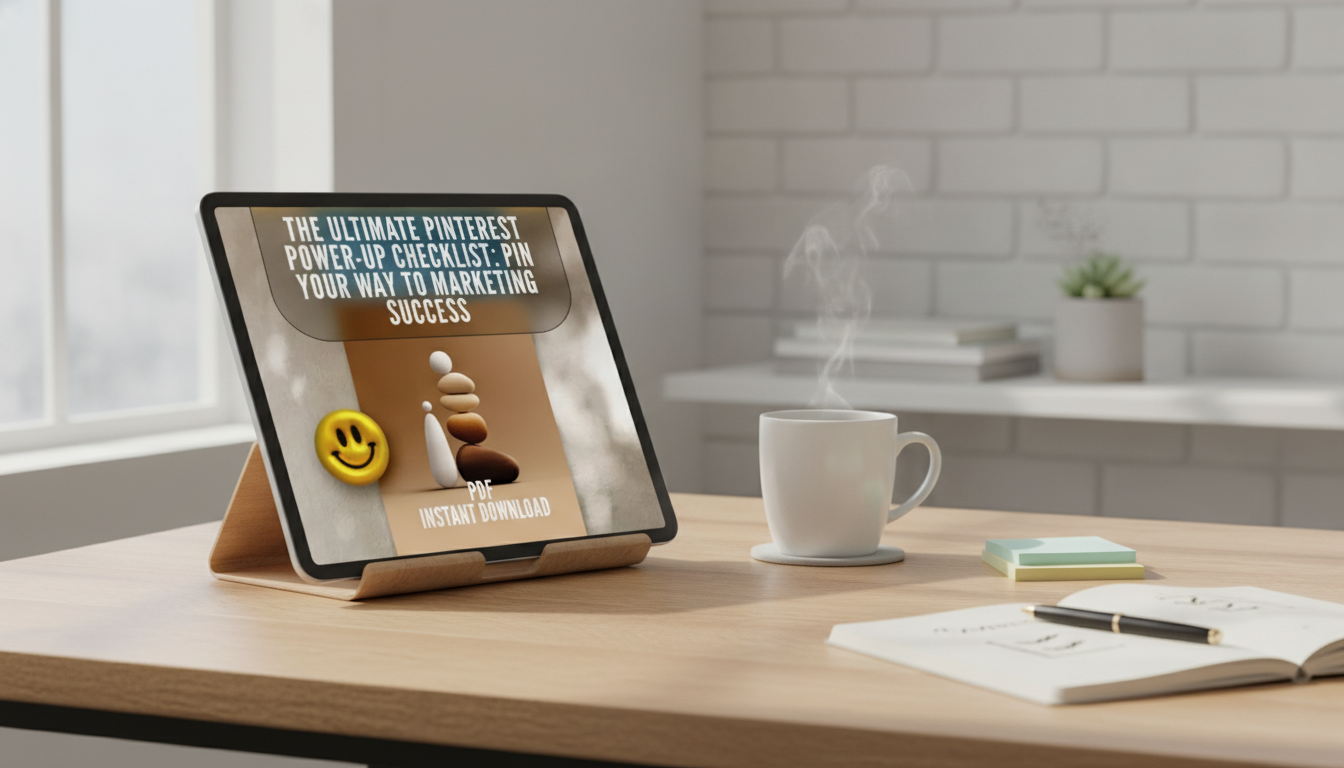
If you like organizing routines with simple, repeatable systems, The Ultimate Pinterest Power-Up Checklist: Pin Your Way to Marketing Success | Pinterest Marketing Strategy Guide | Digital Download for Bloggers & Online Sellers is another structured checklist designed for clear, step-by-step momentum—useful when “what’s next?” is the biggest source of mental clutter.
They share core elements like focused attention and calming the body, but hypnosis-style routines typically use more direct suggestions or guided imagery. Both can support relaxation and clearer thinking; the best option is the one you’ll do consistently and comfortably.
Most days is ideal, even if it’s only 2–5 minutes. Consistency matters more than length, so a “minimum dose” of 90 seconds still counts; try tracking outcomes for 1–2 weeks to notice patterns.
Yes—slow the pace, keep suggestions gentle, and use a softer closing that doesn’t “rev you up.” Avoid using it when you need alertness, and keep expectations light so your body can drift naturally.










Leave a comment