
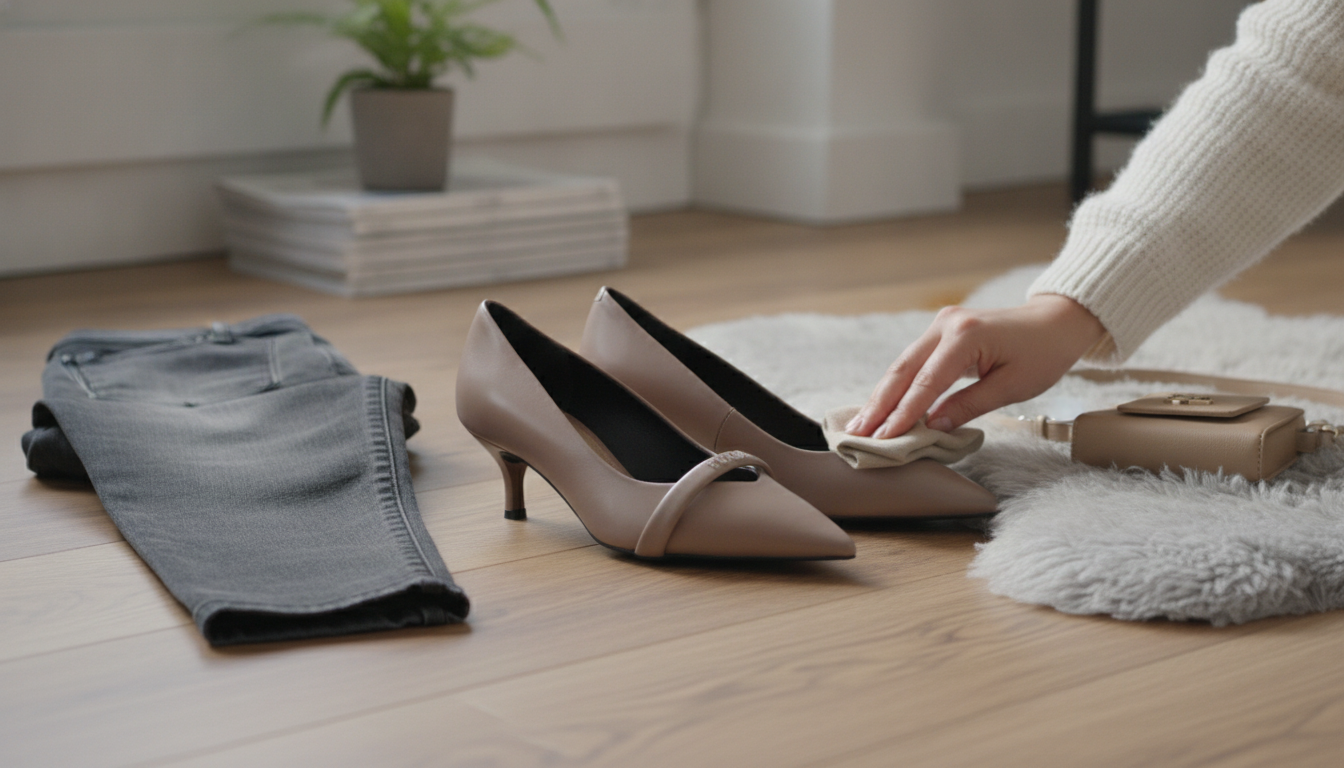
Leather pumps are a wardrobe workhorse when the goal is to look refined without overthinking the outfit. Furla’s take leans classic and versatile—easy to dress up for events, yet streamlined enough for office wear. Below is a practical breakdown of what to look for, how to style them, and how to keep leather heels looking sharp over time.
A well-made leather pump does a lot with very little: clean lines, a structured profile, and a finish that reads “put-together” even when the rest of the outfit is simple. Furla pumps are especially easy to work into a rotation because they keep the silhouette minimal and polished.
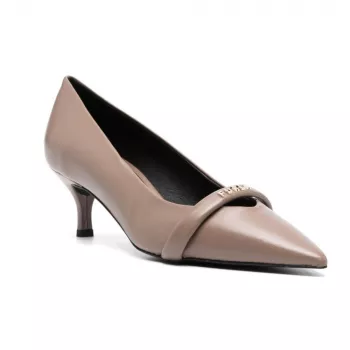
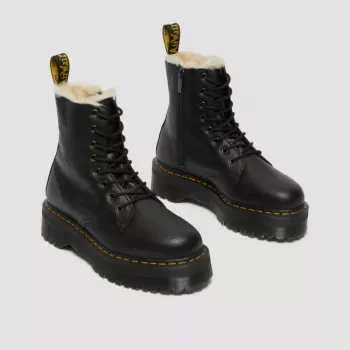
If you’re building a versatile heel wardrobe, consider starting with Furla Women’s Leather Pumps for that crisp, go-anywhere finish. For colder months or heavier walking days, a sturdier option like Dr. Martens Women’s Black Leather Ankle Boots with Rubber Sole can balance out your lineup.
Pumps can look similar at a glance, but small design choices change how they feel after two hours—especially if you commute, stand at events, or move between indoor and outdoor surfaces.
| Feature | What it affects | Best for |
|---|---|---|
| Mid-height heel | Less strain on forefoot and calves | All-day wear, commuting |
| Higher heel | More formal look, longer leg line | Events, evenings, dress codes |
| Pointed toe | Sharper profile, dressier feel | Workwear, formal outfits |
| Almond/round toe | More toe room, softer look | Comfort-first styling |
| Smooth leather | Polished finish, easier to wipe clean | Office and occasion wear |
| Grained/textured leather | Camouflages minor scuffs | Frequent wear, travel |
The best-looking pumps are the ones you can actually wear. Fit is especially personal with closed-toe heels, where a few millimeters can be the difference between “sleek” and “painful.”
For foot measurement basics and general fitting guidance, the American Podiatric Medical Association offers helpful tips on sizing and comfort considerations. As a quick rule of thumb: your toes should be able to lie flat without pressing hard against the front, and your heel should feel secure without needing to “grip” the shoe as you walk.
Leather pumps shine because they create structure at the bottom of the outfit—helpful when your clothing is minimal, neutral, or tailored. The goal is a clean line from hem to heel so the shoe looks intentional, not tacked on.
Leather rewards small habits. A minute of care after wear can prevent dullness, premature creasing, and scuffs that make heels look tired. For general leather stewardship and industry guidance, the Leather Working Group is a solid reference point.
One more detail many shoppers overlook: material labeling. For a quick overview of how leather and materials may be described in the U.S., the Federal Trade Commission provides consumer-focused information on labeling and shopping basics.
Leather can relax slightly with wear, especially across the forefoot, but major stretching is limited by the shoe’s structure. It’s best to start with a comfortable toe box and use thin liners to reduce rubbing.
Heel grips or liners can reduce movement, and persistent slipping often means the shoe is too long or the shape doesn’t match your heel. A small amount of slip can happen during break-in, but it shouldn’t feel unstable.
Store them in a shoe bag or box away from heat and direct sunlight, and use tissue or shoe trees to help hold the shape. Avoid stacking shoes directly against each other to minimize scuffs.









Leave a comment